🌡️ AERIAL THERMAL IMAGING · FRÉJUS (83) · €500–1,800 PER JOB
Drone aerial thermal imaging in Fréjus
Sea humidity complicates thermal readings: in Fréjus, our thermographers fly at hours when the temperature contrast is clear, separating real heat loss from the effects of the Mediterranean. Radiometric report usable for works and grants. In Fréjus as across the department (83), a local pilot travels with the equipment the mission requires — free quote within one working day.
The economy is driven by seaside tourism (with neighbouring Saint-Raphaël), residential real estate and boating. Drone pilots shoot tourism and hotel films, sea-view real estate, construction monitoring and images of the Var hinterland — while keeping an eye on the summer fire risk that triggers overflight restrictions on the massifs. Founded by Julius Caesar, Fréjus preserves rare ancient heritage — amphitheatre, aqueduct, Roman theatre — around an episcopal complex with a unique cloister.
What the service covers in Fréjus
- Surveys of historic buildings: heat loss, damp and defects invisible to the naked eye
- Energy audits of hotels and holiday residences before insulation works
- Leak detection on a buried district-heating network
- Heat-loss audit of a commercial building or co-owned residence
Sites and landmarks in Fréjus
These sites in Fréjus anchor the flight plans and the framing:
- Amphithéâtre romain
- Groupe épiscopal et cloître de Fréjus
- Aqueduc romain
- Port-Fréjus
- Massif de l'Estérel à proximité
Rates
€500–1,800 per job — the range observed on the 2026 French market, including regulatory preparation, flight and delivery. Every mission in Fréjus is priced on its own facts: area to cover, flight height, expected deliverable and local formalities.
Flying in Fréjus: the local framework
In Fréjus, thermographic flights are scheduled at dawn or dusk, in quiet hours (Activité hélicoptères militaires (école ALAT de Fréjus, camp du Luc à proximité)): slots that happen to coincide with the best thermal contrast for measurement.
Drone thermography follows building-inspection rules — open category above the site, specific category in dense areas — plus the sensor's own constraint: flying at times of strong thermal contrast. Full regulations and rates: aerial thermal imaging across France →
Information checked against the regulations in force as of September 2026 (EU regulations 2019/945 and 2019/947, applicable French decrees).
Frequently asked questions
Aerial thermal imaging in Fréjus: what budget should you plan?
Allow €500–1,800 per job — the 2026 French market range, including regulatory preparation, flight and delivery. Outside zones requiring authorisation in Fréjus, the mission is usually scheduled within a week.
When is the best time for thermography in Fréjus?
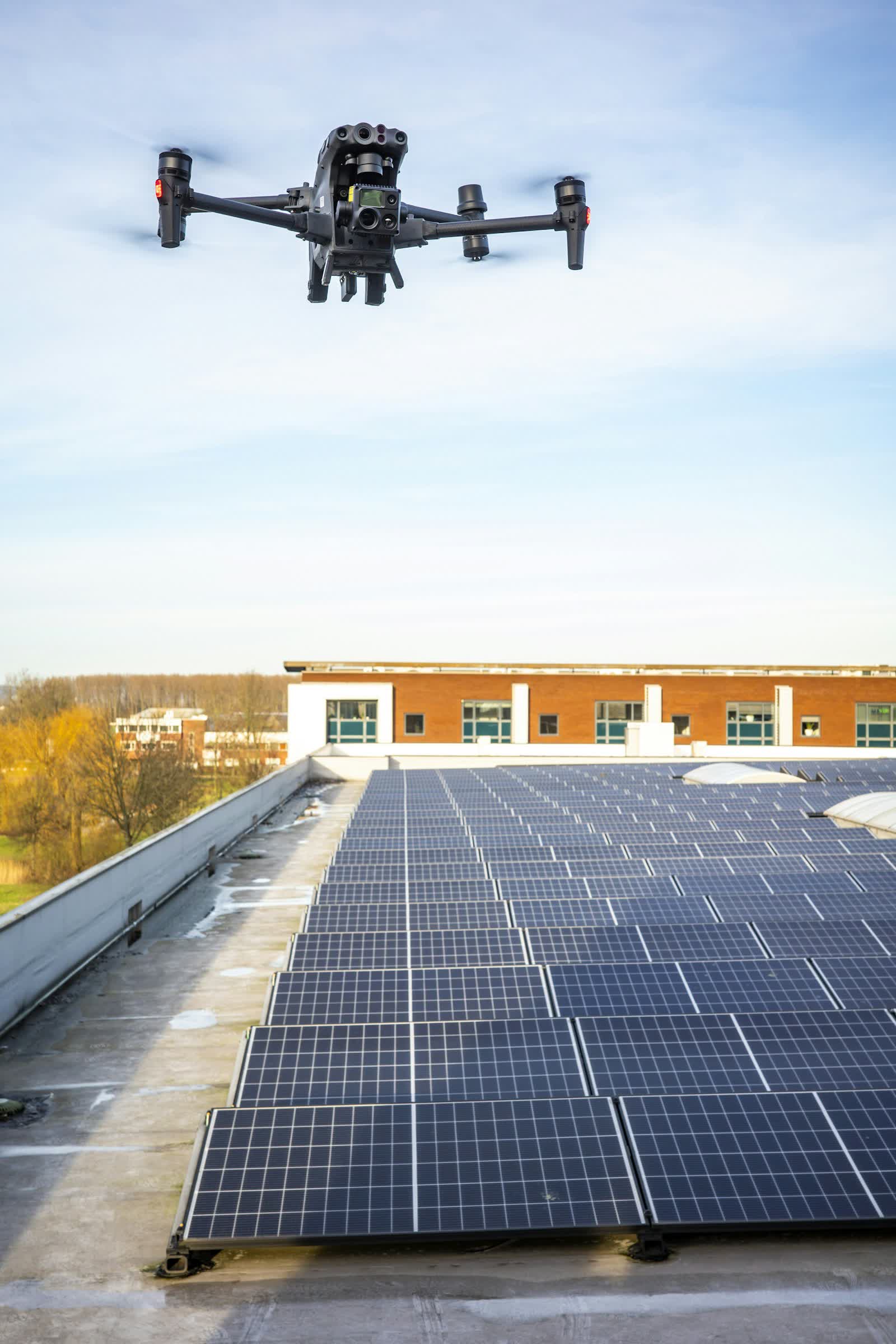
Heating season, October to March: you need at least a 10 °C gap between inside and outside for meaningful readings. In Fréjus (Provence-Alpes-Côte d'Azur), winter dawn slots give the best contrast; for photovoltaics it is the opposite — full summer sun.
Does the thermal camera measure exact temperatures?
Yes, provided a calibrated radiometric camera is used and material emissivity and ambient conditions are entered: typical accuracy is then ±2°C, sufficient for any building or photovoltaic survey.
Other drone services in Fréjus
- Roof inspection in Fréjus from €200
- Facade inspection in Fréjus from €300
- Construction site monitoring in Fréjus from €250
- Surveying & photogrammetry in Fréjus from €800
- Precision agriculture in Fréjus from €8/ha
- Security & surveillance in Fréjus from €600
- Immersive FPV video in Fréjus from €700
- All services in Fréjus
Aerial thermal imaging near Fréjus
- Aerial thermal imaging in Aix-en-Provence Provence-Alpes-Côte d'Azur
- Aerial thermal imaging in Avignon Provence-Alpes-Côte d'Azur
- Aerial thermal imaging in Cannes Provence-Alpes-Côte d'Azur
- Aerial thermal imaging in Antibes Provence-Alpes-Côte d'Azur
- Aerial thermal imaging in La Seyne-sur-Mer Provence-Alpes-Côte d'Azur
- Aerial thermal imaging in Hyères Provence-Alpes-Côte d'Azur
Aerial thermal imaging: every city →